Sustainability does not happen by chance. It is the result of curiosity, collaboration, and countless design decisions made by people who care deeply about the impact of what they create.
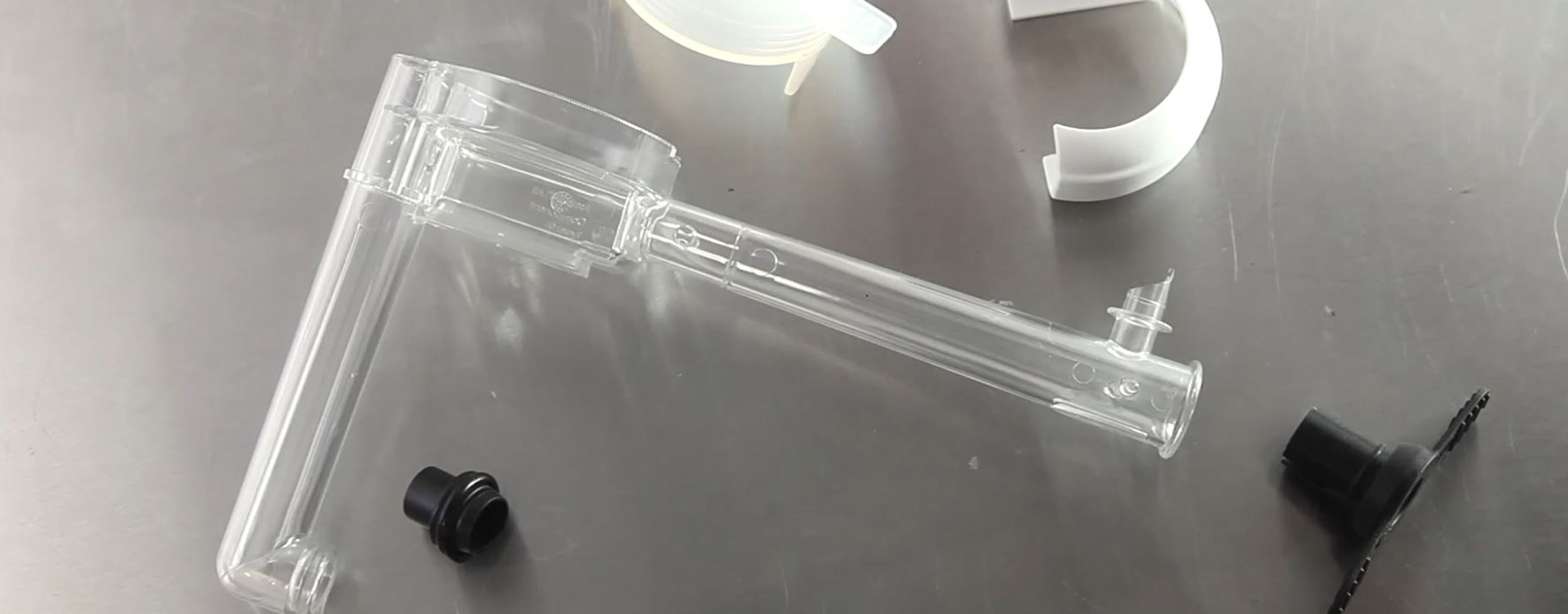
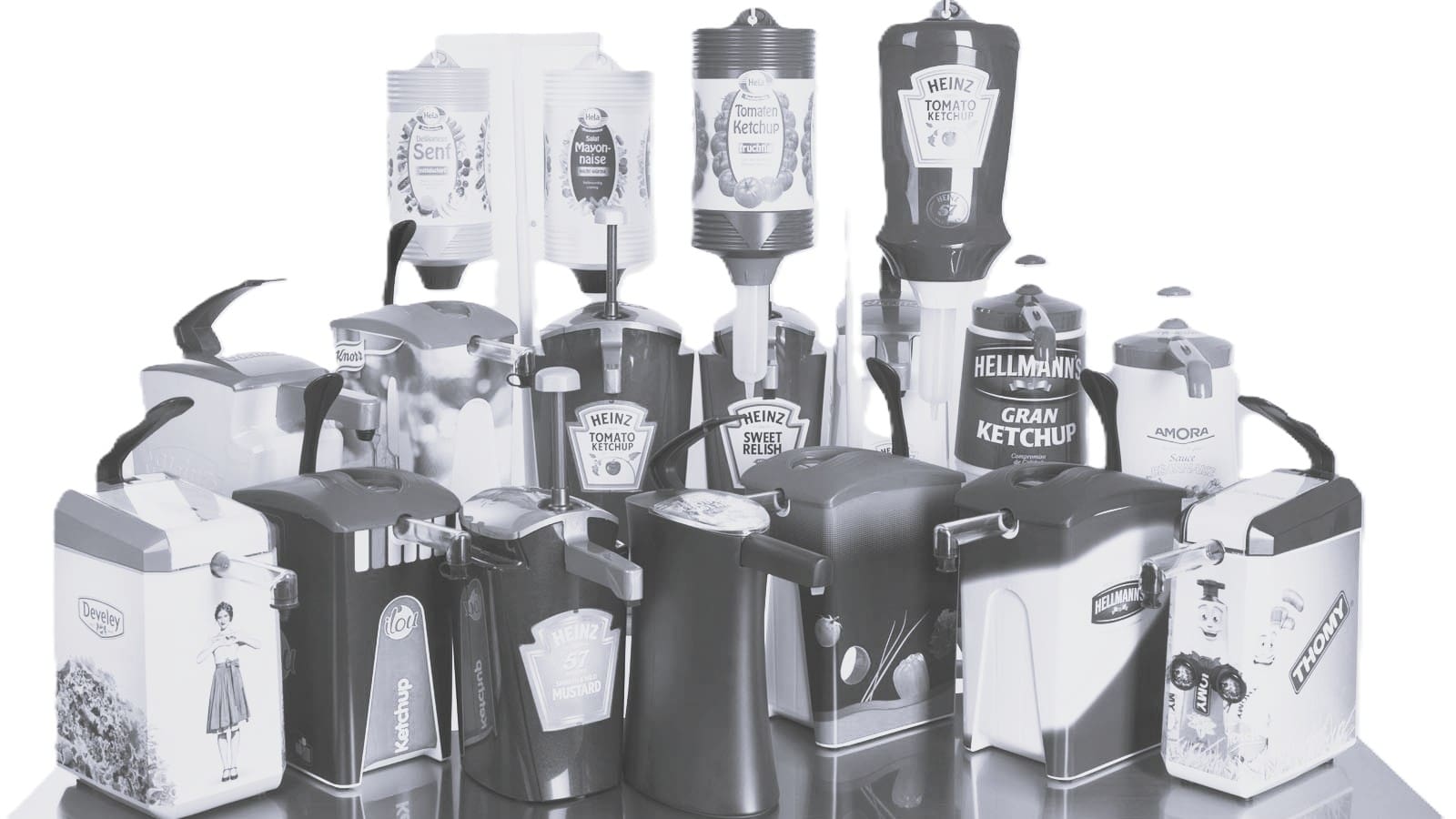
Behind every ASEPT dispensing product stands a dedicated R&D team, carefully balancing performance, safety, user experience, and environmental responsibility. From early material choices to lifecycle considerations, their work shapes how dispensing solutions are designed, used, and reused. Again, again and again.
This article takes a closer look at how ASEPT’s R&D team works with sustainability in practice. It offers insight into what inspires them, how they approach innovation, and what sustainable product development truly means in their daily work. Through their experiences, we gain a behind-the-scenes view of the challenges, breakthroughs, and motivations driving ASEPT’s dispensing solutions forward.
A Cross‑Functional Team at the Core of Innovation
ASEPT’s R&D team is a cross‑functional group of engineers responsible for developing dispensing solutions from idea concept to production. Their role is to ensure that every product meets stringent performance, safety, regulatory, and sustainability requirements.
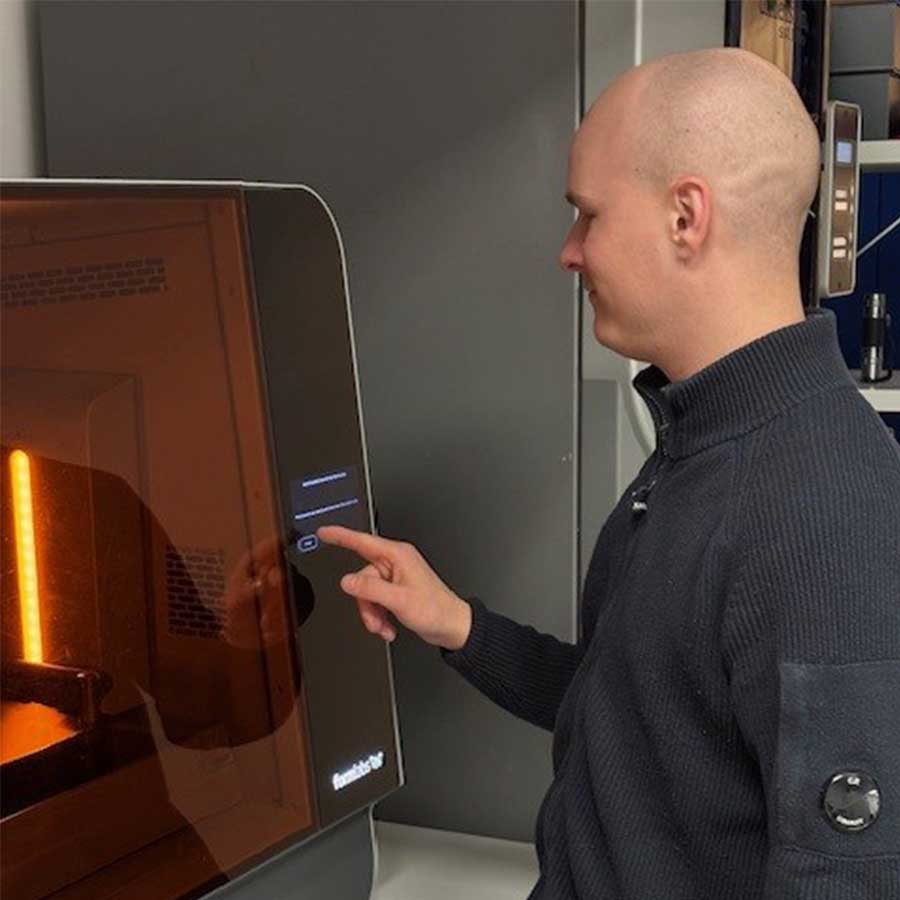
There is no such thing as a “typical” day in the R&D department. Depending on the phase of a project, the team may focus on CAD design, prototyping, testing and validation, supplier collaboration, or cross‑functional activities. The work constantly shifts between concept development, product validation, and production support, requiring flexibility, technical expertise, and close collaboration across the organization.
What Sustainability Means in Practice
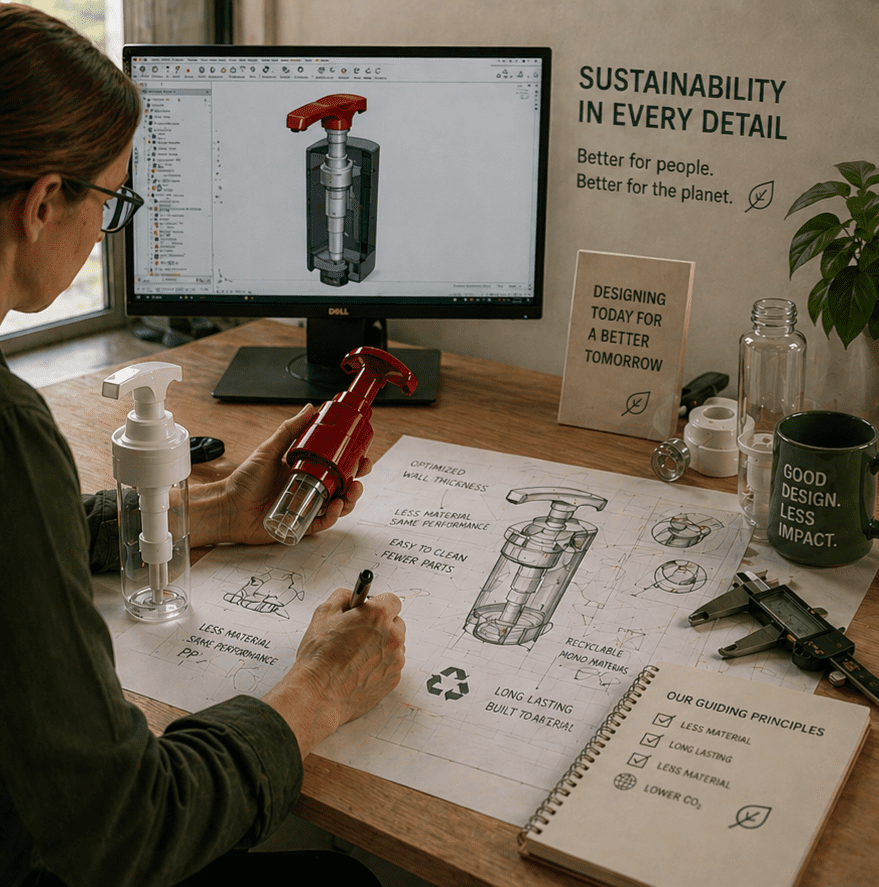
For the R&D team, sustainability is embedded in every project. Designing sustainable dispensing products means minimizing environmental impact across the entire product lifecycle, from material selection and manufacturing to usage and end‑of‑life, without compromising performance or food safety.
This perspective directly influences design decisions such as material choice, wall‑thickness optimization, recyclability, and product lifetime. Designs are continuously evaluated and refined to reduce material usage while maintaining functionality and reliability. One of the greatest challenges lies in balancing competing demands: durability versus material reduction, performance versus recyclability, cost versus environmental impact, and innovation versus regulatory compliance. Finding the right balance requires careful analysis, testing, and experience.
Sustainability from the First Concept
Sustainability enters the design process at a very early stage. Already in the concept phase, product scope, materials, and potential lifecycle impact are defined. Early decisions often determine the product’s long‑term environmental footprint.
Material selection and product longevity are especially critical. The choice of material influences recyclability, regulatory compliance, and durability, while long product lifetimes reduce environmental impact by minimizing replacements and waste. For the R&D team, sustainable design is not about one single feature, it is about making consistent, informed decisions throughout the development process.
Challenges, Testing, and Learning
Designing sustainable products comes with challenges. Combining high performance with sustainability is particularly demanding in applications such as food dispensing, where hygiene, functionality, and safety requirements are uncompromising.
Not every idea succeeds on the first attempt. Some concepts fail during testing, despite promising early results. These experiences reinforce the importance of early validation, iterative development, and testing products under real‑life conditions. Each setback provides valuable learning that strengthens future designs.
Regulations, customer requirements, and performance expectations play a central role throughout development. All solutions must comply with strict standards while delivering the functionality customers expect, making these parameters key drivers of design decisions.
Innovation, Collaboration and Company Culture
Sustainable innovation at ASEPT is built on collaboration. Continuous dialogue between R&D, quality, production, sales, and marketing ensures that solutions are technically feasible, meet quality requirements, customer needs, and align with sustainability goals. This collaborative approach is structured and supported through ASEPT’s New Product Development (NPD) process.
One of the team’s greatest strengths is its combination of technical expertise, practical experience, and a strong solution‑oriented mindset. ASEPT’s company culture encourages innovation and responsibility, while also challenging the team to deliver cost‑effective, robust, and scalable solutions.
Impact, Pride, and Motivation
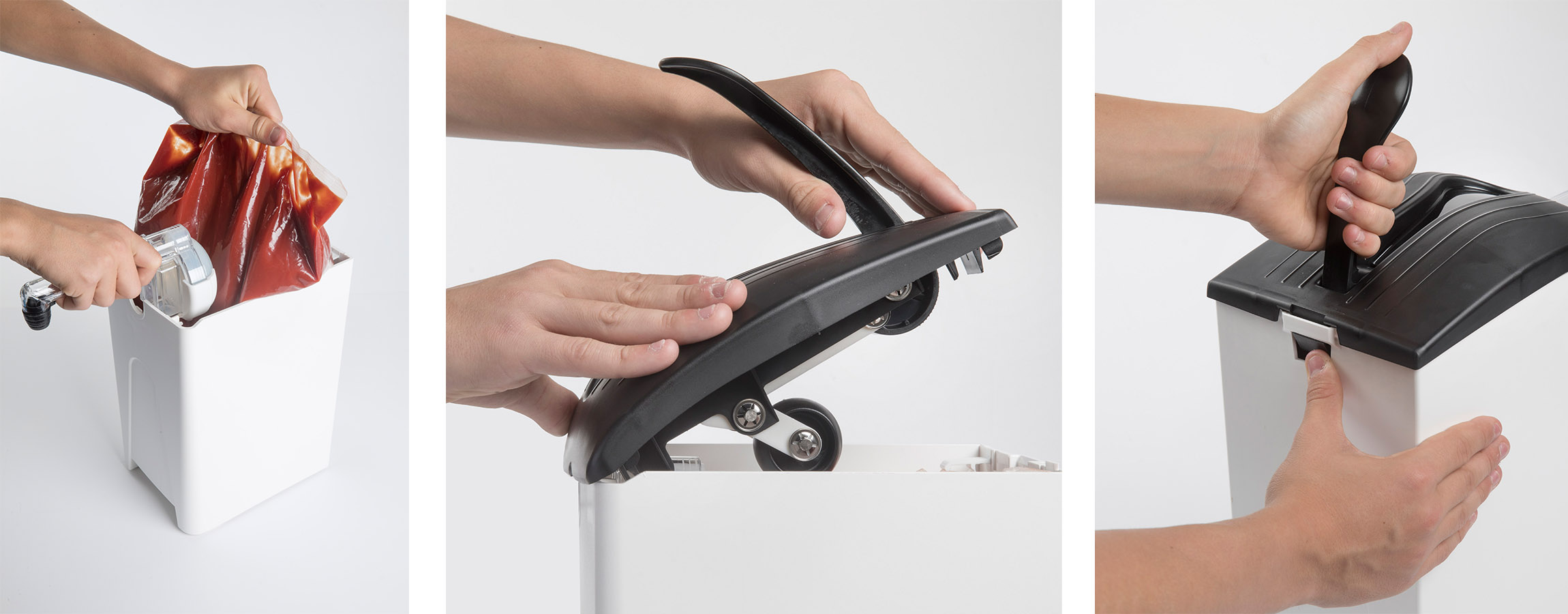
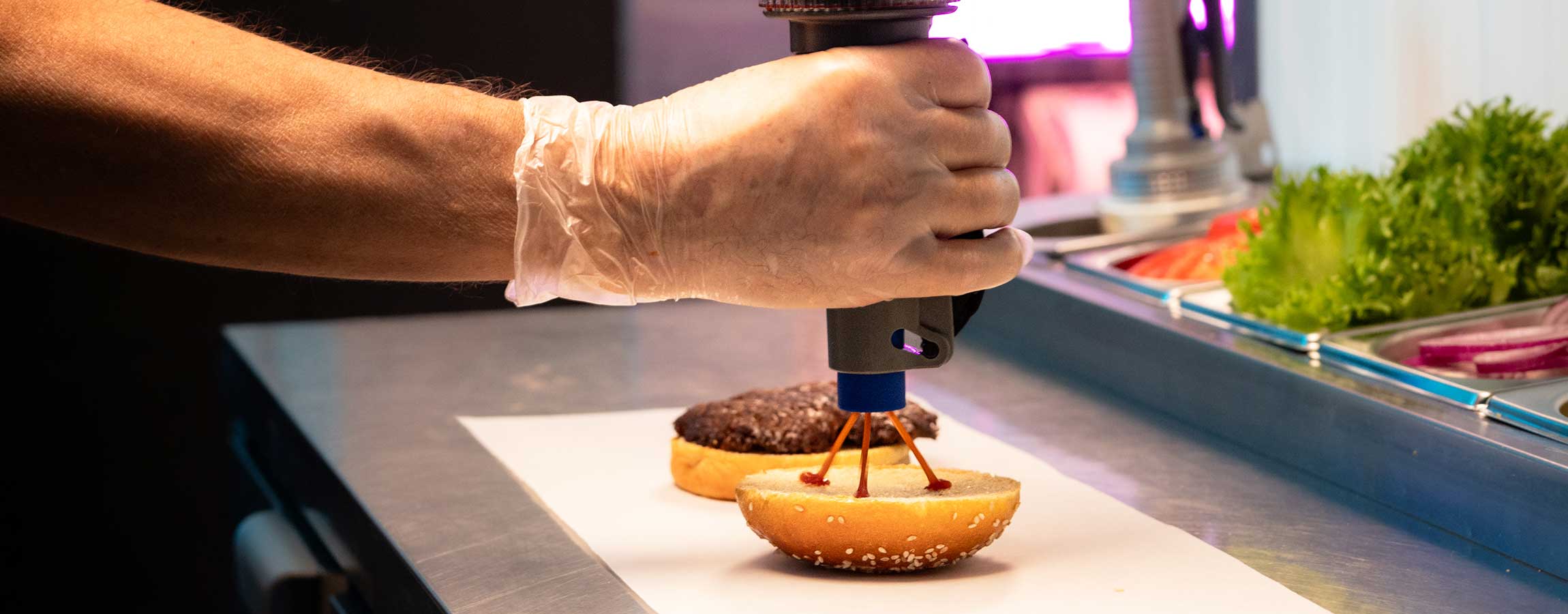
What makes the R&D team most proud is turning complex ideas into real, high‑performing products used globally such as ASEPT’s latest Automatic System. Seeing products move from concept to market confirms the value of their work.
There are also moments when the environmental impact becomes tangible. Successfully reducing material usage or improving recyclability without compromising performance clearly demonstrates how thoughtful design can make a real difference.
Looking Ahead
Looking to the future, the R&D team is particularly excited about developments such as mono‑material solutions, improved recyclability, reduced material usage, and smarter dispensing systems. These trends open new opportunities to further reduce environmental impact while enhancing performance.
For engineers and designers aspiring to work with sustainable products, the team offers simple but powerful advice: understand the full product lifecycle. True sustainability comes from seeing the bigger picture and designing with it in mind from the very beginning.