The food industry is entering a transformative phase in 2026, driven by sustainability requirements, technological integration, and evolving consumer expectations. For businesses operating in foodservice and retail, these changes present both challenges and opportunities. Here is what we see coming, and how smart dispenser and pump solutions can help you stay ahead.
1. Sustainability Takes Center Stage
In Europe, regulations such as the EU’s Single-Use Plastics (SUP) Directive are accelerating the shift away from single-use packaging toward reusable and recyclable solutions. Beyond the EU markets, sustainability is moving forward for different reasons. Consumer expectations, brand commitments, and retailer requirements are increasingly driving change – often ahead of formal regulation. In this way, EU legislation offers a useful indication of where global practices are heading.
What does this mean for you:
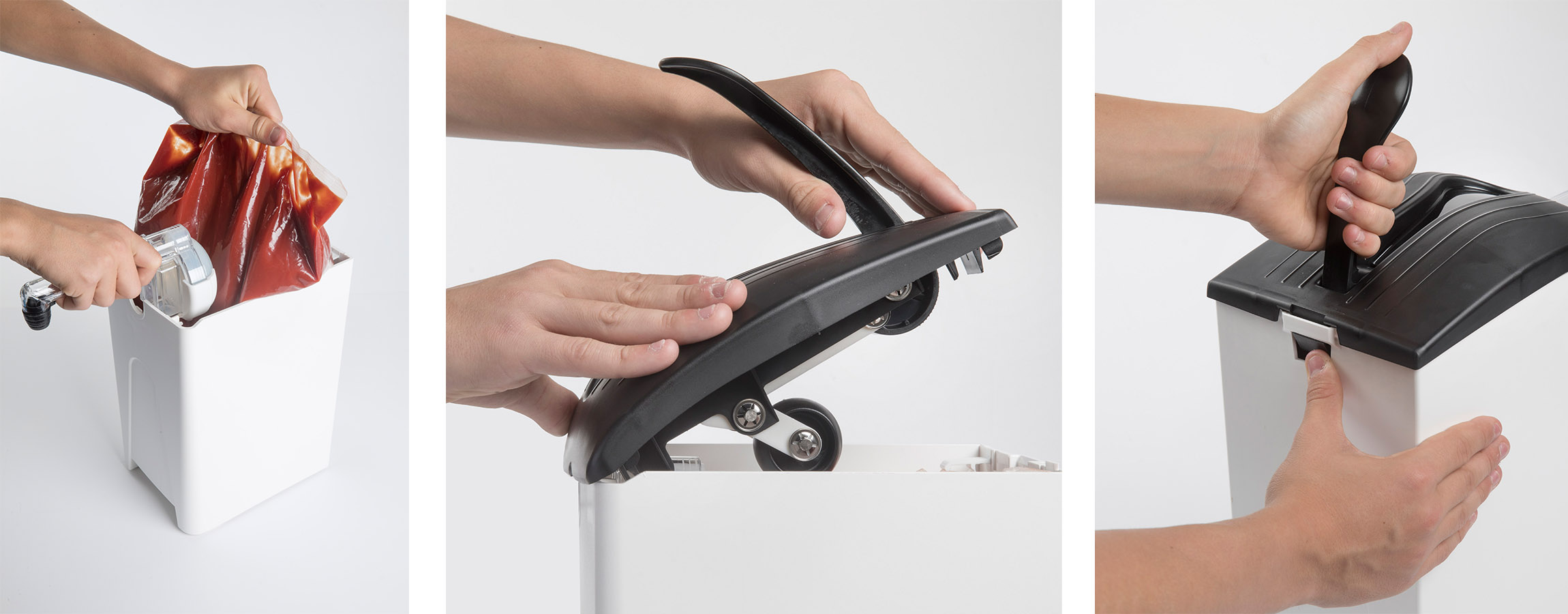
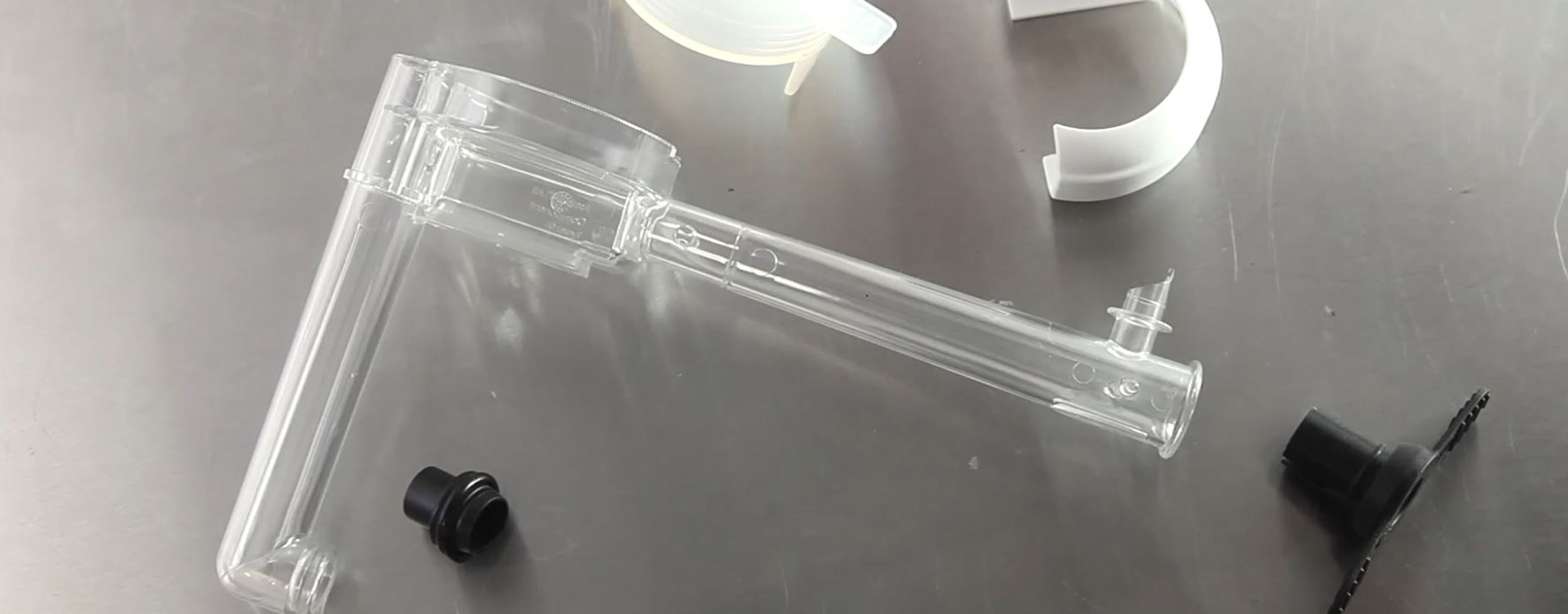
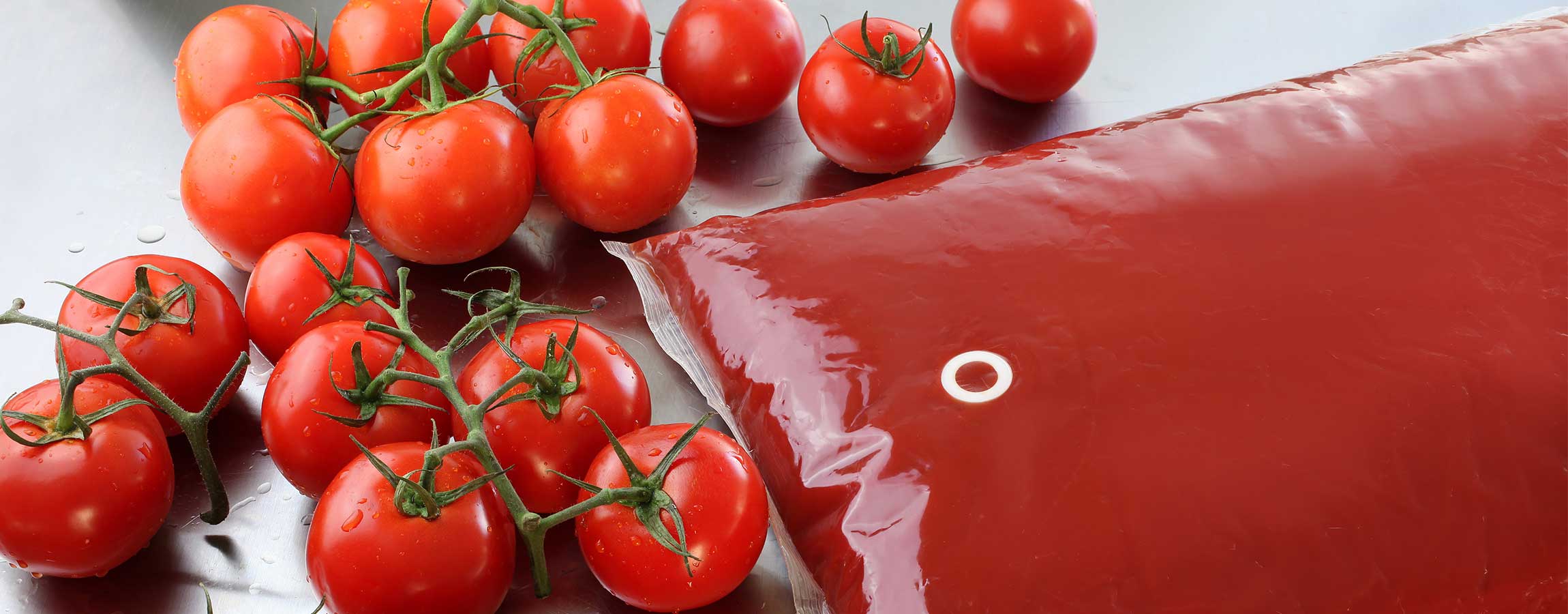
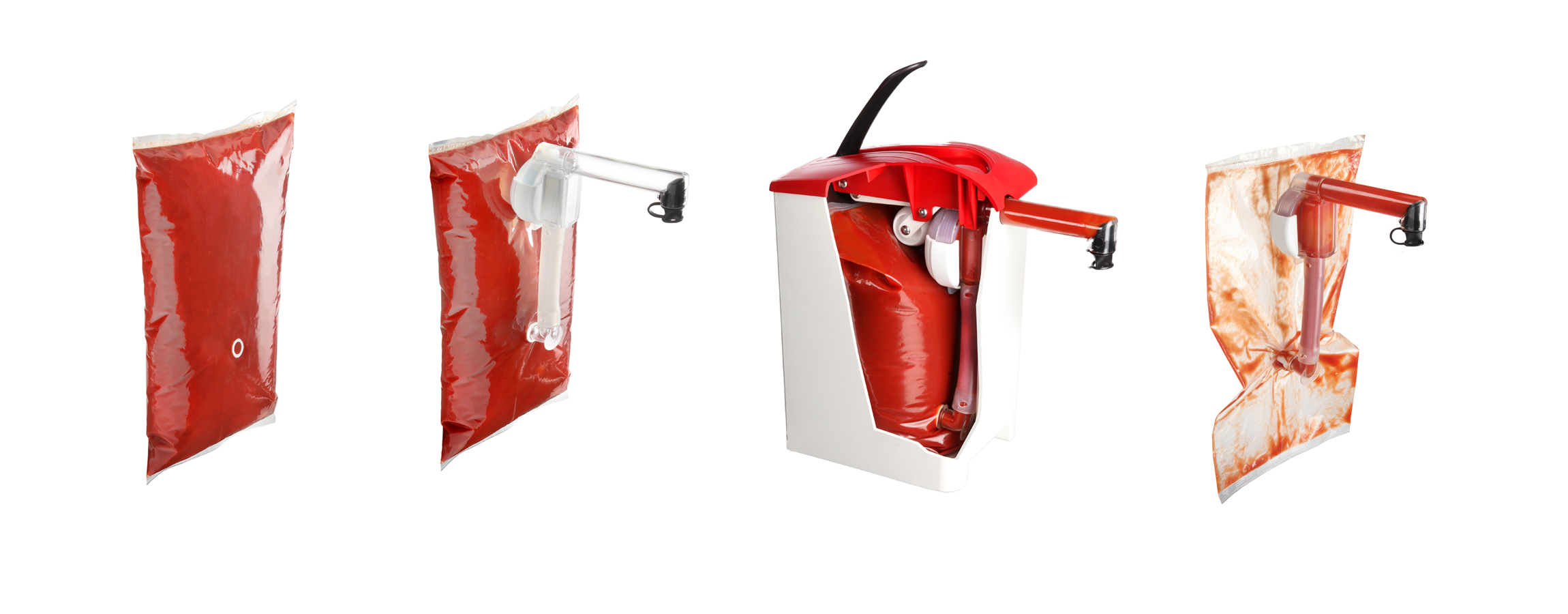
- Bulk dispensing instead of single-use packs | Moving to bulk dispensing solutions, such as Sealed Pouched Dispensing Systems, can reduce packaging material by up to 77% compared to sachets, while achieving up to 98% product yield.
- Eco-friendly branding | Adopting dispenser solutions that minimize waste helps demonstrate sustainability leadership -supporting circular economy goals and strengthening brand credibility across both regulated and non-regulated markets.
2. Limited-Time Offers (LTOs) as a Growth Driver
Consumers are increasingly drawn to value-driven promotions and novelty experiences, making LTOs a key strategy for quick-service restaurants and foodservice operators.
How dispensers help:
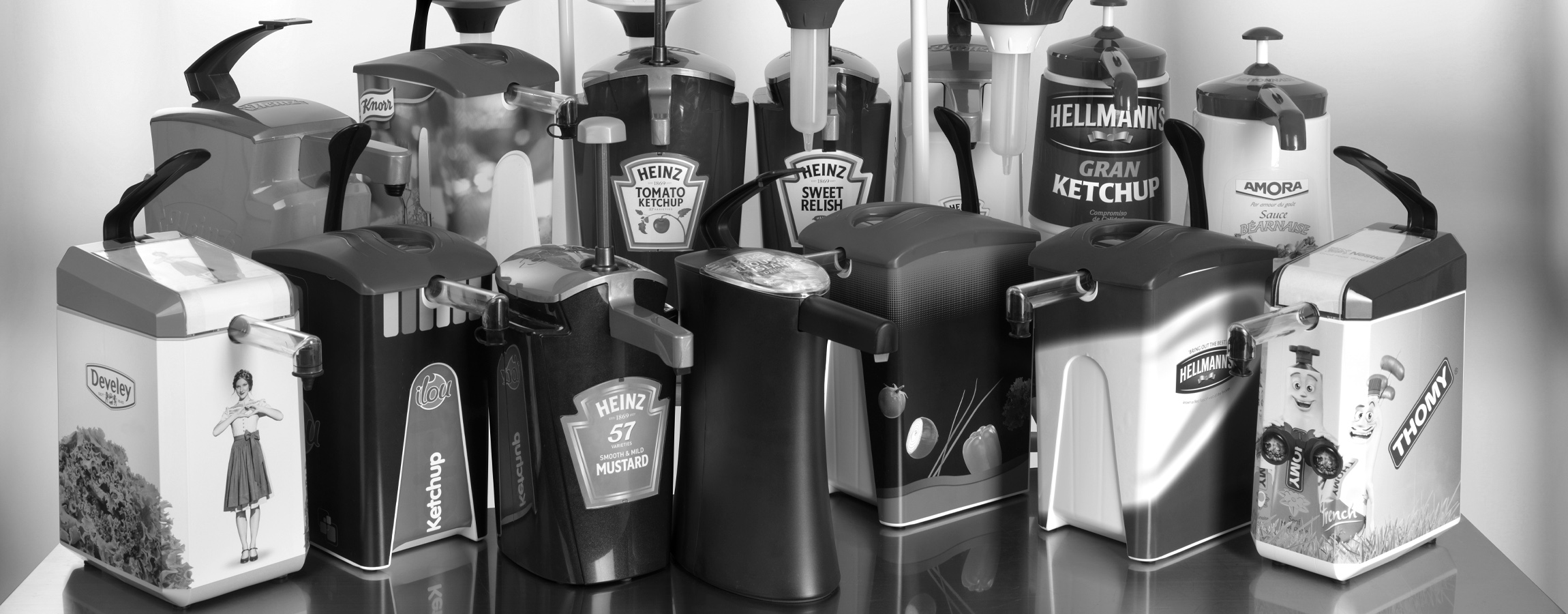
- Brand your dispensers | Use custom graphics or sleeves to promote seasonal flavors, new launches, or campaign messaging directly on dispensing equipment.
- Agility in promotions | Dispensers enable quick product changes without redesigning packaging lines, making short-term campaigns more flexible and cost-efficient.
3. Automation and Smart Technology
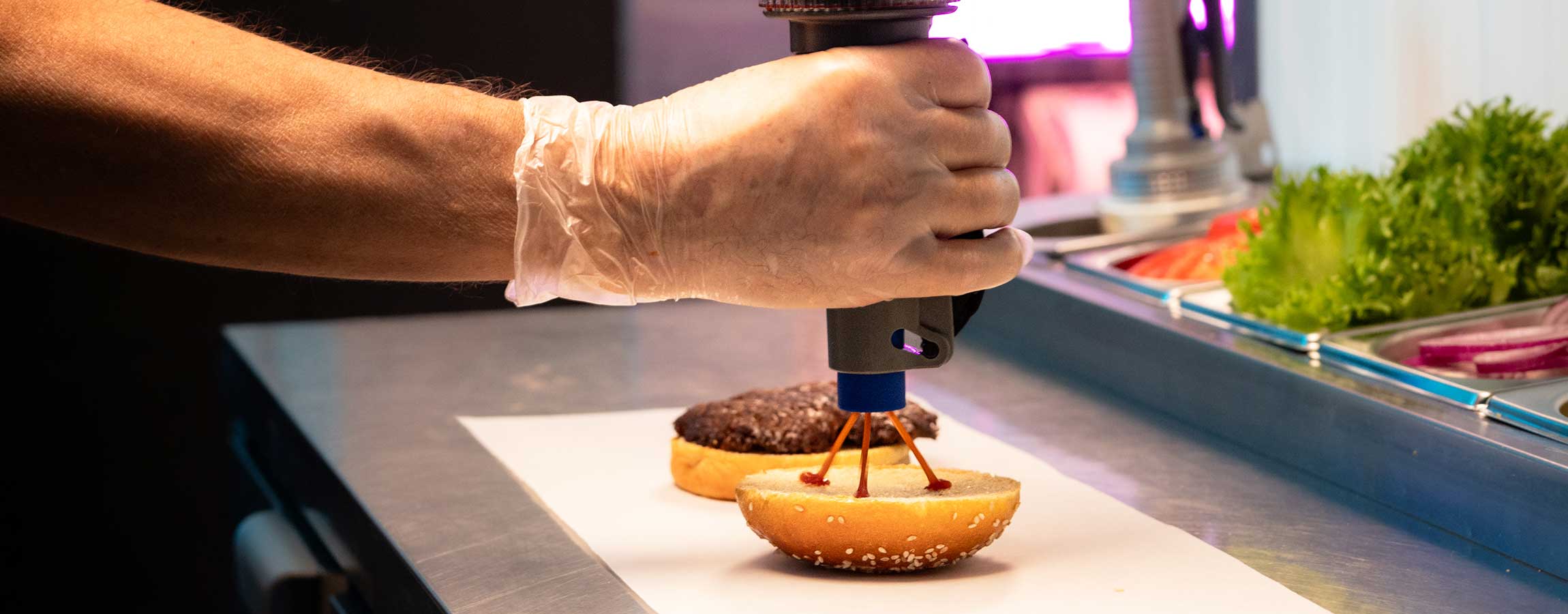
Automated food and beverage dispensers continue to gain traction thanks to their ability to streamline operations, reduce labor costs, and improve hygiene standards.
Benefits for your business:
- Faster service and consistency | Automated dispensers remove bottlenecks and ensure consistent portion sizes.
- Data-driven insights | By measuring sauce usage in real time, smart dispensing solutions enable more accurate forecasting and measurable waste reduction.
4. Portion Control for Profitability
With rising ingredient costs and tighter margins, accurate portion control is more critical than ever. Over-portioning leads to waste and lost profit, while under-portioning risks customer dissatisfaction. Portion-controlled dispensers and pumps ensure consistency and compliance with nutritional standards.
Actionable steps:
- Integrate portion-control dispensers | Maintain consistency across menus, reduce food waste, and improve cost control.
- Menu engineering | Combine portion control with smart menu design to optimize profitability without compromising the customer experience.
5. Consumer Trends to Watch
Beyond operational shifts, evolving consumer preferences in 2026 will shape product and menu strategies:
- Health & wellness | Protein-rich, gut-friendly, and plant-based options remain strong drivers.
- Sustainability & transparency | Consumers expect brands to demonstrate tangible impact on waste reduction and responsible sourcing.
- Tech-enhanced experiences | AI-powered menus and smart kitchens are becoming part of the mainstream foodservice landscape.
How to Prepare
We see that 2026 will reward businesses that embrace sustainability, automation, and consumer-centric innovation. Dispenser and pump systems are no longer just functional equipment, they are strategic assets for branding, compliance, and operational efficiency.
1. AUDIT YOUR PACKAGING | Transition toward SUP-compliant solutions.
2. INVEST IN SMART DISPENSING SYSTEMS | Choose solutions that combine portion control, hygiene, sustainability, and automation.
3. LEVERAGE BRANDING OPPORTUNITIES | Use dispensers as communication tools for LTOs and sustainability messaging.
4. TRAIN YOUR TEAM | Ensure staff understand new systems and maintain portion control consistency.
Want to learn more about how we can elevate your dispensing area? Contact ASEPT today!